
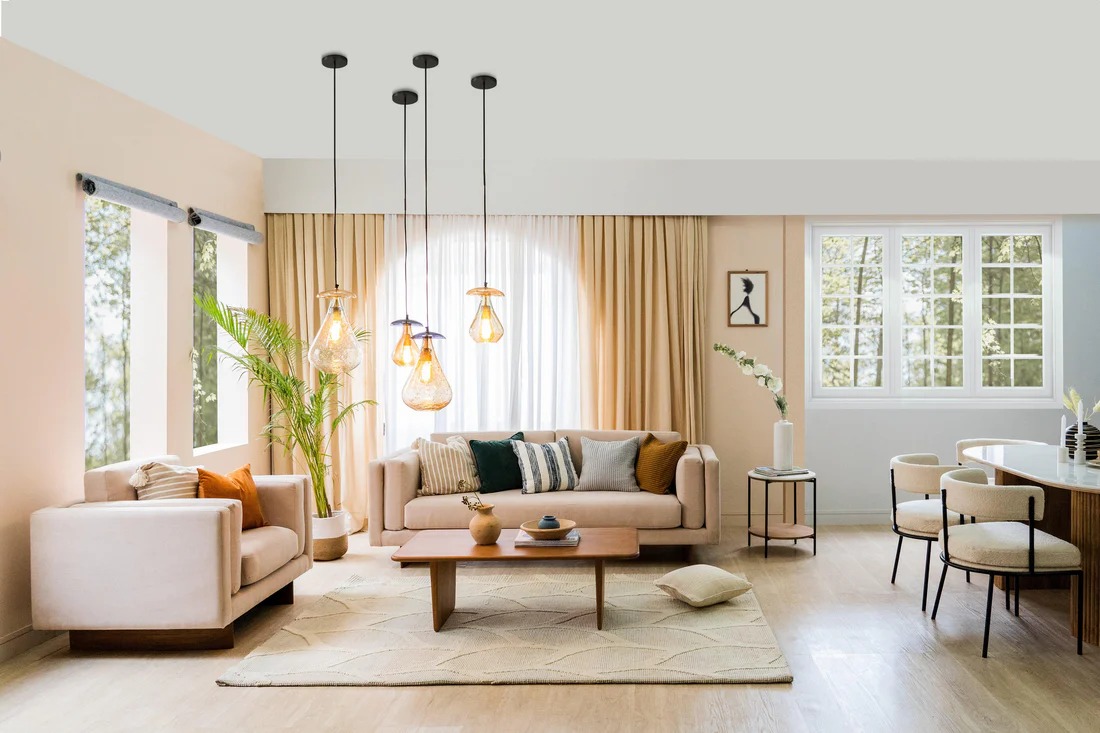
Designing a compact home presents unique challenges and opportunities that require thoughtful planning to maximize space, functionality, and aesthetics. When living in smaller spaces, every square foot counts, so it is essential to adopt design strategies that create an illusion of openness while ensuring comfort and practicality.
One of the most effective tips for compact homes is to prioritize multifunctional furniture. Pieces such as sofa beds, foldable tables, or ottomans with storage provide versatility without occupying extra space. These items serve dual purposes and help reduce clutter by offering hidden storage options. Incorporating built-in furniture can also save valuable floor area by fitting seamlessly into corners or under staircases.
Natural light plays a critical role in making Small home design spaces feel larger and more inviting. Large windows or strategically placed mirrors can amplify daylight, enhancing the perception of openness. Light-colored walls and ceilings reflect light better than darker shades, which tend to absorb it and make rooms appear smaller. Using neutral palettes combined with subtle pops of color adds visual interest without overwhelming the senses.
Efficient use of vertical space is another important consideration when designing compact homes. Tall shelving units or wall-mounted cabinets draw the eye upward while providing ample storage without encroaching on floor space. Hanging hooks for coats or kitchen utensils free up countertops and closets alike.
Open-plan layouts are popular choices for small homes because they eliminate unnecessary partitions that break up usable areas. Combining living room, dining area, and kitchen into one continuous zone fosters fluid movement throughout the home while promoting sociability among occupants during daily activities.
Decluttering remains fundamental in maintaining an organized environment within limited confines. Minimalism encourages keeping only essential items visible while storing away less frequently used belongings systematically to avoid overcrowding surfaces.
Incorporating smart technology enhances convenience within compact dwellings too; automated lighting systems controlled via smartphones optimize energy consumption based on occupancy patterns without requiring bulky switches or fixtures.
Lastly, outdoor extensions such as balconies or rooftop gardens act as additional living spaces when interior dimensions fall short-bringing nature closer indoors improves mental well-being alongside spatial benefits.
In summary, designing a compact home demands creativity focused on maximizing utility through multifunctional furnishings, strategic lighting choices, vertical storage solutions, open layouts combined with minimalism principles-all contributing toward creating comfortable yet stylish environments despite spatial limitations.