
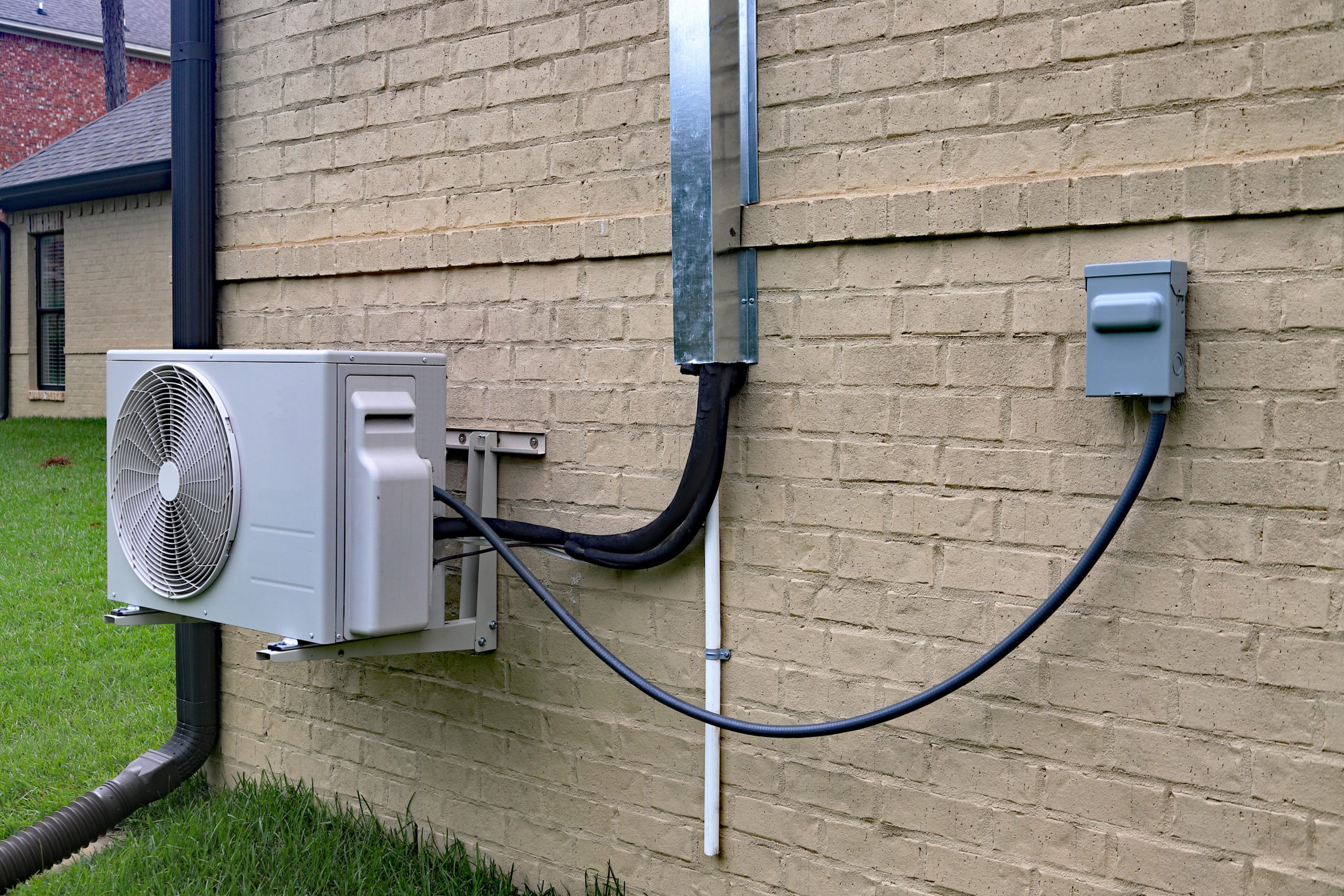
Mini split systems have become an increasingly popular choice for energy-smart temperature management in residential and commercial spaces. These systems offer a versatile and efficient solution for heating and cooling without the need for extensive ductwork, making them ideal for retrofitting older buildings or adding climate control to specific rooms. Unlike traditional central HVAC units that distribute conditioned air through ducts, mini splits consist of an outdoor compressor connected to one or more indoor air-handling units via refrigerant lines. This design allows users to control temperatures independently in different zones, enhancing comfort while reducing energy waste.
One of the key advantages of Mini Split systems is their high energy efficiency. Many models use inverter-driven compressors that adjust their speed based on the cooling or heating demand rather than running at full capacity all the time. This variable-speed operation reduces electricity consumption significantly compared to conventional fixed-speed units. Additionally, mini splits often achieve higher Seasonal Energy Efficiency Ratios (SEER) and Heating Seasonal Performance Factors (HSPF), which translate into lower utility bills over time. The absence of ducts also eliminates losses associated with air leakage and poor insulation common in ducted systems, further improving overall system efficiency.
Installation flexibility is another benefit that makes mini splits attractive for both new construction and renovation projects. Because they do not require large duct runs, these systems can be installed quickly with minimal disruption to existing structures. Indoor units are typically mounted on walls or ceilings and come in various styles to suit aesthetic preferences while delivering effective airflow distribution. The ability to install multiple indoor units connected to a single outdoor compressor enables precise temperature control across several rooms or zones without needing separate equipment for each area.
From a user perspective, modern mini split systems incorporate smart technology features such as programmable timers, remote controls, Wi-Fi connectivity, and integration with home automation platforms. These capabilities allow homeowners and businesses to optimize temperature settings according to occupancy patterns or weather conditions automatically. By adjusting operation schedules remotely via smartphone apps or voice commands, users can avoid unnecessary heating or cooling when spaces are unoccupied, thus conserving energy.
Maintenance requirements for mini split systems tend to be straightforward due to their simpler design compared with traditional HVAC setups. Regular cleaning of filters and periodic inspection by qualified technicians ensures reliable performance over many years. Overall, mini split systems provide an effective combination of comfort, convenience, and energy savings that align well with contemporary demands for sustainable building solutions focused on reducing environmental impact while maintaining optimal indoor climates throughout the year.