
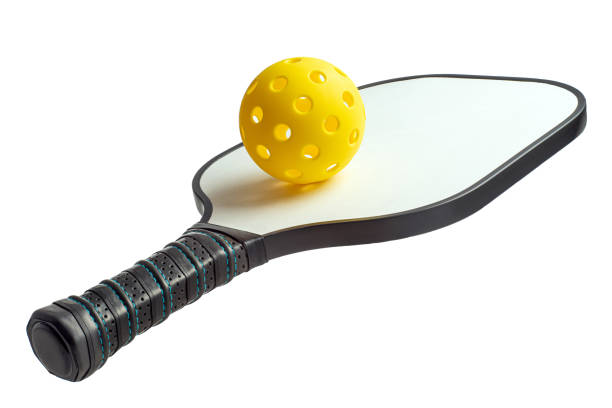
Structured pickleball events offer a significantly enhanced playing experience compared to informal or unorganized games. These events provide a framework that promotes fairness, organization, and engagement for all participants, which ultimately makes the sport more enjoyable and accessible. One of the primary benefits is the clear scheduling and format these events follow. Players know in advance when matches will take place, how long they will last, and what rules apply. This predictability reduces confusion and allows participants to prepare mentally and physically for their games.
Moreover, structured events often include official referees or organizers who ensure that rules are consistently enforced. This oversight helps maintain fair play and minimizes disputes during matches. When players trust that matches are conducted fairly, they can focus on improving their skills rather than worrying about rule disagreements or inconsistent officiating. The presence of officials also adds a level of professionalism that enhances the overall atmosphere of the event.
Another advantage is the opportunity for skill-appropriate competition through divisions or brackets based on player ability levels. Structured pickleball tournaments Texas typically separate players into categories such as beginner, intermediate, or advanced to create balanced matchups. This approach ensures competitive but enjoyable games where players face opponents with similar skill sets instead of mismatched contests that can be discouraging or frustrating.
The social aspect is also strengthened by organized pickleball events. Participants gather not only to compete but to connect with others who share their interest in the sport. Events often encourage camaraderie through team formats, doubles play, or social mixers before and after matches. These interactions build community ties among players while fostering sportsmanship.
Additionally, structured events frequently offer prizes or recognition for performance achievements like winning brackets or demonstrating good sportsmanship. Such incentives motivate participants to perform at their best while celebrating accomplishments beyond just winning individual points.
For newcomers especially, structured pickleball competitions provide an inviting environment where they can learn game etiquette within an established setting rather than navigating chaotic pickup games alone without guidance on proper conduct.
In summary, well-organized pickleball events deliver superior playing experiences by offering clear structure around scheduling and rules enforcement alongside balanced competition levels tailored to abilities-all supported by opportunities for social interaction within a respectful environment focused on fun and fair play alike.